The Evolving Mandate: A New Era for ACIP Under the Kennedy Vaccine Committee Charter
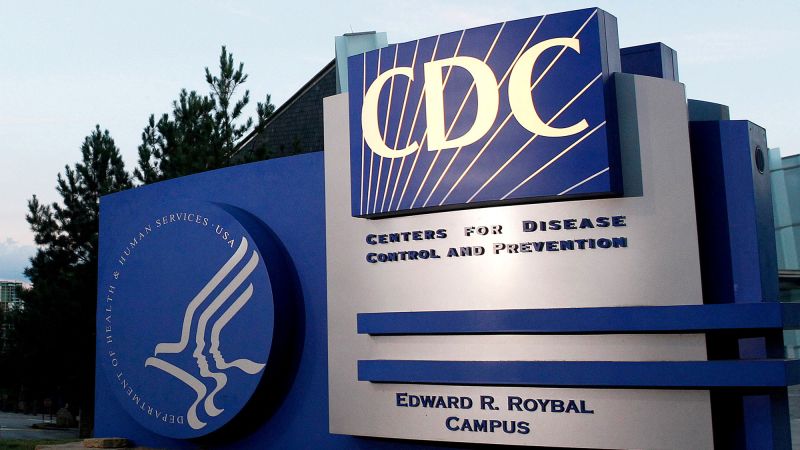
The landscape of US vaccine policy is undergoing a significant transformation, spearheaded by recent revisions to the charter of the Advisory Committee on Immunization Practices (ACIP). These changes, approved by Health and Human Services Secretary Robert F. Kennedy Jr., mark a pivotal moment, broadening ACIP's scope and introducing new considerations for vaccine recommendations. At the heart of this shift lies the updated Kennedy Vaccine Committee Charter, a document poised to redefine how the Centers for Disease Control and Prevention (CDC) approaches immunization advice.
Historically, ACIP has served as a cornerstone of public health, providing evidence-based recommendations on vaccine use exclusively within the United States. Its work has been instrumental in shaping vaccination schedules, guiding healthcare providers, and protecting communities from preventable diseases. However, a recent court order temporarily halted ACIP's activities, paving the way for the profound revisions now in effect. While an HHS spokesperson, Andrew Nixon, characterized the charter's renewal as "routine statutory requirements" that "do not signal any broader policy shift," critics and observers note the considerable implications for the future of US vaccine strategy.
The new charter dramatically expands ACIP's mandate, moving beyond its previous, more confined focus. It now explicitly directs the committee to consider the "cumulative effects" of giving all recommended childhood vaccines. This directive delves into a long-standing concern among some vaccine skeptics, prompting a deeper examination of the aggregate impact of multiple immunizations. Furthermore, the committee is now tasked with scrutinizing specific vaccine ingredients, such as aluminum, which is added to many vaccines in minute quantities as an adjuvant to enhance immune response. While large-scale studies have consistently found no link between aluminum in vaccines and neurodevelopmental issues like autism, the charter's emphasis signals a clear shift towards addressing these previously marginal concerns within ACIP's formal purview. This expanded focus is a central pillar of the new Kennedy Vaccine Committee Charter, aiming for a more holistic, and some argue, risk-centric, evaluation of vaccine policies. For a deeper dive into the broader impact of these changes, see our related article: Kennedy Reshapes ACIP Charter: Impact on US Vaccine Policy.
Scrutinizing Novel Platforms and Ingredients: mRNA, Aluminum, & Global Comparisons
One of the most significant directives within the updated Kennedy Vaccine Committee Charter is the explicit inclusion of "novel vaccine platforms such as mRNA vaccines" for review. This is a direct response to the revolutionary impact of mRNA technology, which underpinned two of the leading COVID-19 vaccines. While these vaccines demonstrated unprecedented speed and efficacy in combating the pandemic, their relatively new application in widespread immunization means ongoing scrutiny is vital for long-term public confidence. ACIP's role will now involve a specific focus on understanding the mechanisms, safety profiles, and long-term implications of these advanced technologies.
Beyond mRNA, the charter's emphasis on vaccine ingredients, particularly aluminum, highlights a critical area of ongoing public debate. Aluminum salts have been used in vaccines for nearly a century to boost the immune system's response to the vaccine's active components, leading to stronger and more durable protection. The amounts used are tiny – often less than what an infant might ingest through breast milk or formula daily – and extensive research has consistently affirmed their safety. However, persistent concerns, primarily from vaccine-skeptical groups, about potential links to neurodevelopmental issues have long circulated. By formally including this consideration, the Kennedy Vaccine Committee Charter aims to address these apprehensions head-on, potentially through dedicated investigations or detailed scientific reviews, which could involve:
- Reviewing existing literature and new research on aluminum adjuvants.
- Comparing aluminum levels in vaccines to natural environmental exposure.
- Evaluating the immunological impact of aluminum in the context of the overall vaccine schedule.
Furthermore, the committee is now tasked with reviewing "the vaccine schedules used by other countries." This international comparison could offer valuable insights into different approaches to immunization, potentially informing adjustments to the US schedule or providing context for current practices. It represents a shift from an insular focus to a global perspective, considering how other nations balance disease prevention with public health considerations.
Global Perspectives and Diverse Voices: Reshaping Dialogue
The revised Kennedy Vaccine Committee Charter introduces a significant structural change by granting non-voting memberships to several medical organizations that have historically expressed skepticism regarding mainstream vaccine narratives. Among these new liaison members are groups like the Independent Medical Alliance, Physicians for Informed Consent, and the Association of American Physicians and Surgeons. These organizations typically maintain that vaccine risks are underreported or concealed from the public and that vaccine benefits may not consistently outweigh their potential harms. This inclusion marks a deliberate effort to diversify the voices at the ACIP table, moving beyond its traditional composition.
The rationale behind this move, according to proponents, is to foster greater transparency and ensure a broader range of perspectives are considered in vaccine policy discussions. However, critics, such as Dr. Demetre Daskalakis, who resigned from his role as director of the CDC's National Center for Immunization and Respiratory Diseases over changes to vaccine policy, express significant reservations. Daskalakis argues that giving these groups a platform could "further destabilize trust in vaccines 'without basis'," by legitimizing claims that often lack robust scientific backing. Richard Hughes, a lawyer representing medical associations in a lawsuit against Kennedy, echoed this concern, stating that the new focus on adverse events "is especially concerning, as it appears to foreground vaccine harms in a way that could further reorient ACIP’s mandate."
This expansion of non-voting memberships is seen by many as directly reflecting the "RFK vision of ACIP as a committee focused on risk only and not balance or risk and benefit." While the intention might be to encourage a more exhaustive risk assessment, the challenge lies in maintaining the committee's foundation of evidence-based recommendations while accommodating perspectives that may challenge established scientific consensus. Striking this balance is crucial for public confidence. For more on how these new voices might impact policy, explore: New ACIP Mandate: Focus on Vaccine Risks & Skeptic Voices.
Practical Considerations for Public Health
The changes inherent in the Kennedy Vaccine Committee Charter underscore the importance of:
- Transparent Communication: As ACIP delves into more controversial aspects of vaccine safety, clear, data-driven communication will be paramount to prevent misinformation and maintain public trust.
- Rigorous Scientific Process: Any new findings or re-evaluations must be grounded in robust scientific methodology, open to peer review, and presented with context.
- Balanced Discourse: While diverse perspectives can enrich dialogue, the ultimate goal of ACIP remains to provide sound public health guidance based on the best available evidence, weighing both risks and benefits comprehensively.
Implications for Public Health and Policy Direction
The revisions to the ACIP charter under the direction of HHS Secretary Robert F. Kennedy Jr. represent a profound shift in US vaccine policy. By expanding ACIP's scope to include "cumulative effects," novel vaccine platforms like mRNA, specific ingredient scrutiny (e.g., aluminum), and global schedule comparisons, the Kennedy Vaccine Committee Charter is undoubtedly reorienting the committee's focus. The most contentious aspect, perhaps, is the inclusion of organizations known for their critical stance on vaccines as non-voting liaison members. While proponents might argue this fosters greater transparency and a more comprehensive risk assessment, critics fear it risks undermining decades of established public health policy and eroding public confidence in life-saving immunizations.
The core tension lies between a perceived shift towards an emphasis on potential risks, as highlighted by Dr. Daskalakis and Richard Hughes, versus the traditional balanced approach of weighing both risks and benefits of vaccination. ACIP's historical strength has been its ability to synthesize vast amounts of scientific data to provide recommendations that protect individual and community health. The future direction under the new charter will reveal whether this enhanced scrutiny leads to even stronger, more publicly accepted vaccine policies, or if it inadvertently creates an environment where vaccine hesitancy gains undue influence, potentially impacting public health outcomes.
Conclusion
The updated Kennedy Vaccine Committee Charter marks a watershed moment for the US Advisory Committee on Immunization Practices. With an expanded mandate to scrutinize mRNA vaccines, assess the cumulative effects of childhood immunizations, investigate specific ingredients like aluminum, and compare global vaccine schedules, ACIP is stepping into a new era. The inclusion of skeptical voices as non-voting members further complicates the landscape, raising questions about the future balance between evidence-based policy and broader public discourse. As these changes unfold, the challenge for ACIP will be to navigate these new directives while upholding its foundational commitment to rigorous science and public health, ensuring that trust in vaccines remains robust and that immunization policies continue to safeguard the health of the nation.