A Seismic Shift in Vaccine Policy: Understanding the New ACIP Mandate
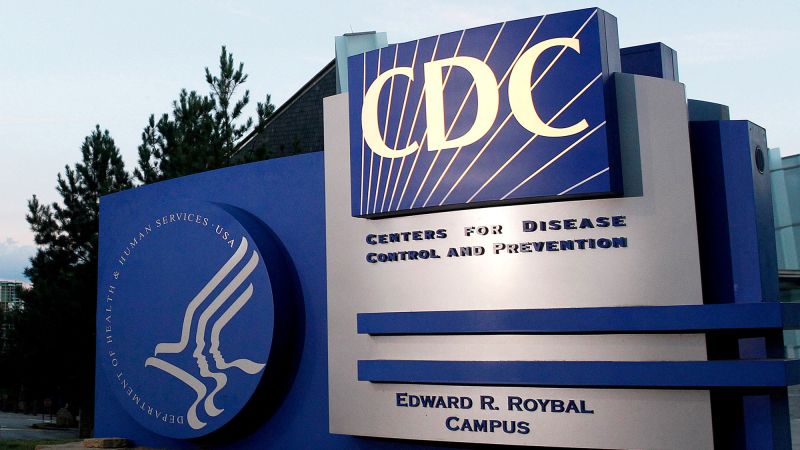
The landscape of U.S. vaccine policy is undergoing a significant transformation, spearheaded by recent changes to the charter of the Advisory Committee on Immunization Practices (ACIP). This expert group, traditionally responsible for advising the U.S. Centers for Disease Control and Prevention (CDC) on vaccine recommendations, now operates under a Kennedy Vaccine Committee Charter that fundamentally broadens its scope. While officials from Health and Human Services (HHS) characterize these revisions as "routine statutory requirements," critics and public health experts view them as a profound reorientation, emphasizing vaccine risks and giving unprecedented platforms to skeptical voices. This article delves into the specifics of these changes, their potential implications, and what they mean for public health.
The Evolving Mandate of the ACIP: A New Direction
For decades, the ACIP has served as a cornerstone of public health, meticulously reviewing scientific data to formulate recommendations on vaccine use in the United States. Its role has been crucial in maintaining high vaccination rates and controlling infectious diseases. However, the updated charter marks a decisive shift in its operational directives. This change follows a period of heightened scrutiny and legal challenges, including a March court order that temporarily halted ACIP's work, paving the way for HHS Secretary Robert F. Kennedy Jr.'s influence to redefine its mission.
Previously, ACIP's focus was primarily on optimizing vaccine schedules and usage to maximize public health benefits. The new mandate, however, significantly expands this purview. While HHS spokesperson Andrew Nixon downplayed the significance, stating the renewal of the committee’s charter does "not signal any broader policy shift," the detailed revisions tell a different story. The committee is now explicitly directed to consider factors that were either secondary or entirely outside its traditional scope, signaling a more comprehensive, and arguably more cautious, approach to vaccine recommendations. This redefinition aligns closely with the long-standing skepticism regarding vaccine policy expressed by Kennedy himself.
Deep Dive into Vaccine Risks: Cumulative Effects and Novel Platforms
One of the most notable aspects of the revised ACIP charter is its explicit instruction to scrutinize vaccine risks in greater detail. The committee is now tasked with:
- Considering Cumulative Effects: A directive to evaluate the "cumulative effects" of administering all recommended childhood vaccines. This addresses a common concern among some vaccine skeptics who question the impact of multiple immunizations on a developing immune system, despite extensive research indicating the safety of current schedules.
- Reviewing Vaccine Ingredients: The charter mandates considering specific ingredients like aluminum, which is used as an adjuvant to enhance immune response. While tiny amounts of aluminum in vaccines have been widely studied and deemed safe by major health organizations, and no credible large studies have linked it to neurodevelopmental issues such as autism, this focus caters directly to a persistent concern within the vaccine-skeptical community.
- Scrutinizing Novel Vaccine Platforms: ACIP must now specifically review "novel vaccine platforms such as mRNA vaccines"—the technology behind some COVID-19 vaccines. This reflects a desire for increased scrutiny of newer technologies, which gained prominence during the pandemic and faced unprecedented public debate.
- Benchmarking Against Global Schedules: The committee is also directed to review vaccine schedules used by other countries, potentially seeking alternatives or insights from international practices.
Dr. Demetre Daskalakis, former director of the CDC’s National Center for Immunization and Respiratory Diseases, expressed strong concerns about this shift. He noted that the new ACIP Expands Scope: mRNA, Aluminum, & Global Vaccine Schedules "seems to try to codify the RFK vision of ACIP as a committee focused on risk only and not balance or risk and benefit." This perspective highlights a potential imbalance in the committee's future deliberations, possibly prioritizing perceived harms over the well-established benefits of vaccination.
Amplifying Skeptical Voices: New Liaison Memberships
Perhaps the most controversial change is the inclusion of new non-voting liaison members from organizations that have openly expressed skepticism or outright opposition to established vaccine science. These groups include:
- The Independent Medical Alliance
- Physicians for Informed Consent
- The Association of American Physicians and Surgeons
These organizations consistently maintain that vaccine risks are either underreported or deliberately concealed from the public, and that the benefits of vaccines may not always outweigh their potential harms. Granting them non-voting memberships on ACIP provides them with a direct platform within a traditionally scientific advisory body.
Dr. Daskalakis warned that this move could "further destabilize trust in vaccines 'without basis'." Richard Hughes, a lawyer representing medical associations in a lawsuit against Kennedy, echoed these sentiments, stating that the new focus on adverse events "is especially concerning, as it appears to foreground vaccine harms in a way that could further reorient ACIP’s mandate." Critics argue that while transparency and a thorough understanding of risks are vital, providing a formal voice to groups whose views often contradict mainstream scientific consensus could undermine public confidence in vaccine safety and efficacy, potentially impacting vaccination rates.
Implications for Public Health and Vaccine Confidence
The revised Kennedy Vaccine Committee Charter represents a significant departure from decades of established practice, with potentially far-reaching implications for U.S. public health. On one hand, advocates for greater scrutiny argue that a more thorough examination of risks, ingredients, and novel platforms could enhance public trust through increased transparency. On the other hand, a disproportionate focus on risks, particularly those already extensively studied and largely debunked by scientific consensus, coupled with the elevation of skeptical voices, could lead to unwarranted fear and reduced vaccine uptake.
For the public, understanding these changes is crucial. It becomes more important than ever to critically evaluate information and seek guidance from trusted, evidence-based sources. Here are some practical tips:
- Verify Sources: Always check the credentials and potential biases of information sources, particularly regarding health.
- Consult Healthcare Providers: Your doctor or local public health department remains the best source for personalized vaccine information and recommendations.
- Look for Consensus: Mainstream medical organizations (e.g., CDC, WHO, American Academy of Pediatrics) base their recommendations on broad scientific consensus.
- Understand Risk vs. Benefit: Vaccines, like all medical interventions, carry minimal risks, but these are overwhelmingly outweighed by the benefits in preventing serious infectious diseases.
The reorientation of ACIP highlights an ongoing tension between a rigorous, scientific approach to public health and a desire to address public concerns, however unfounded some may be. Navigating this new era will require careful communication and a commitment to protecting the health of communities while respecting diverse viewpoints.
In conclusion, the new ACIP mandate, significantly shaped by Robert F. Kennedy Jr.'s influence, signals a profound shift towards a heightened focus on vaccine risks, cumulative effects, and novel technologies, while also formalizing platforms for vaccine-skeptical organizations. While proponents may argue for increased transparency and responsiveness to public concerns, public health experts warn of the potential for eroding trust in vaccines and undermining established scientific consensus. The coming years will reveal the full impact of this redefined Kennedy Vaccine Committee Charter on U.S. immunization policy and public health outcomes.